A shared space for learning, collaboration, and care in the early years.
A shared space for learning, collaboration, and care in the early years.
A shared space for learning, collaboration, and care in the early years.






India is home to over 160 million children under the age of six, making early childhood development one of the most critical investments India can make for its future.
90% of a child's brain develops before age five. A baby's brain can form more than one million neural connections every second in the earliest years of life, Yet millions of children continue to face barriers that limit their potential.
Nearly 8 in 10 children aged 3–6 in India are enrolled in an ECCE programme but enrollment alone does not guarantee inclusion, quality, or equity.
What is PANKH?
PANKH stands for Partnership for Nurturing Kids Holistically.
PANKH is a practitioner’s forum committed to driving lasting systems change in early childhood development across India. By bringing together members with specialized expertise in early education, health, nutrition, disability, gender, child rights, and community development, we work synergistically to strengthen the ECD ecosystem and support holistic growth for young children.
that every child experiences nurturing care, meaningful learning, and safe, inclusive environments.
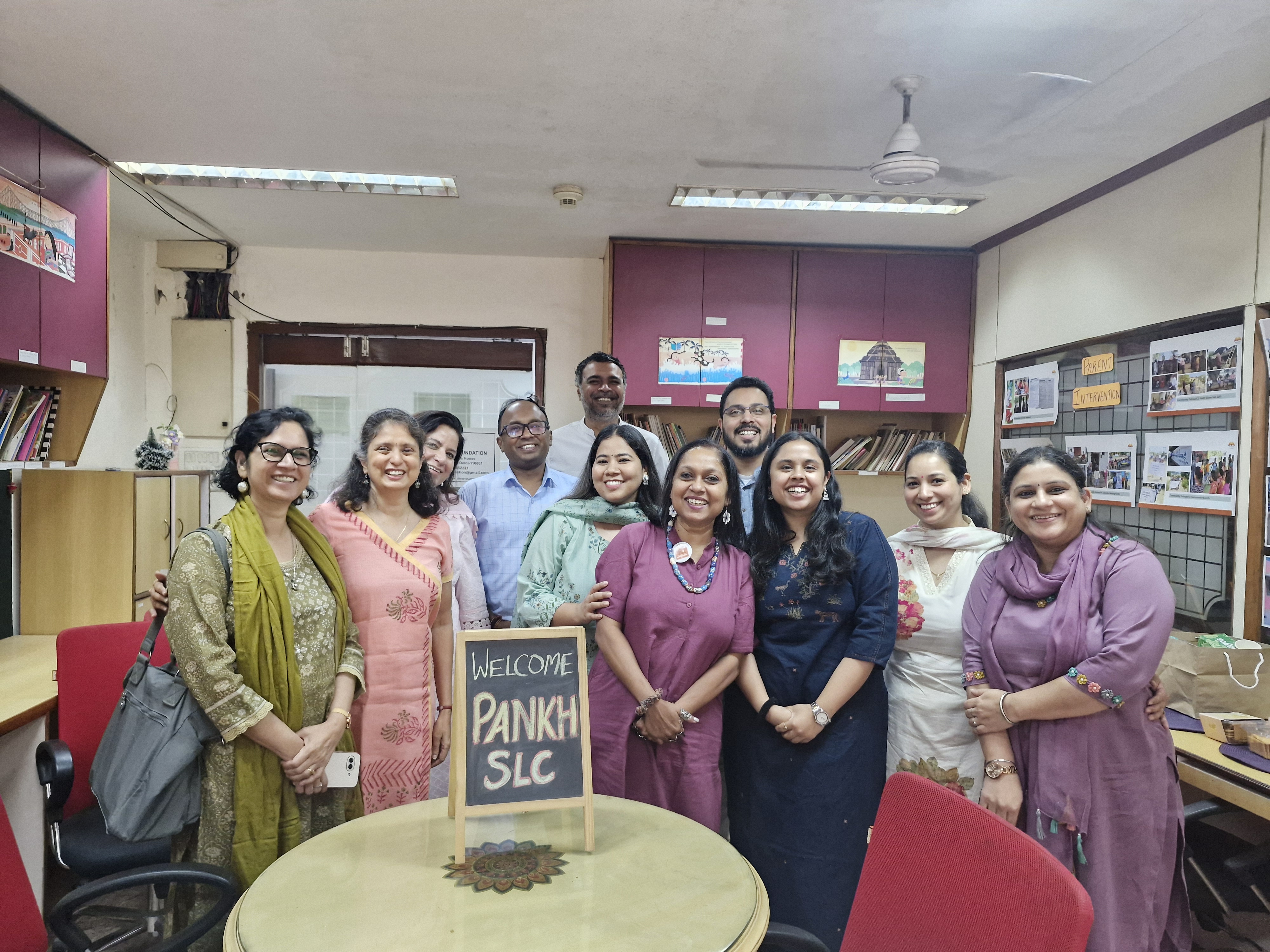
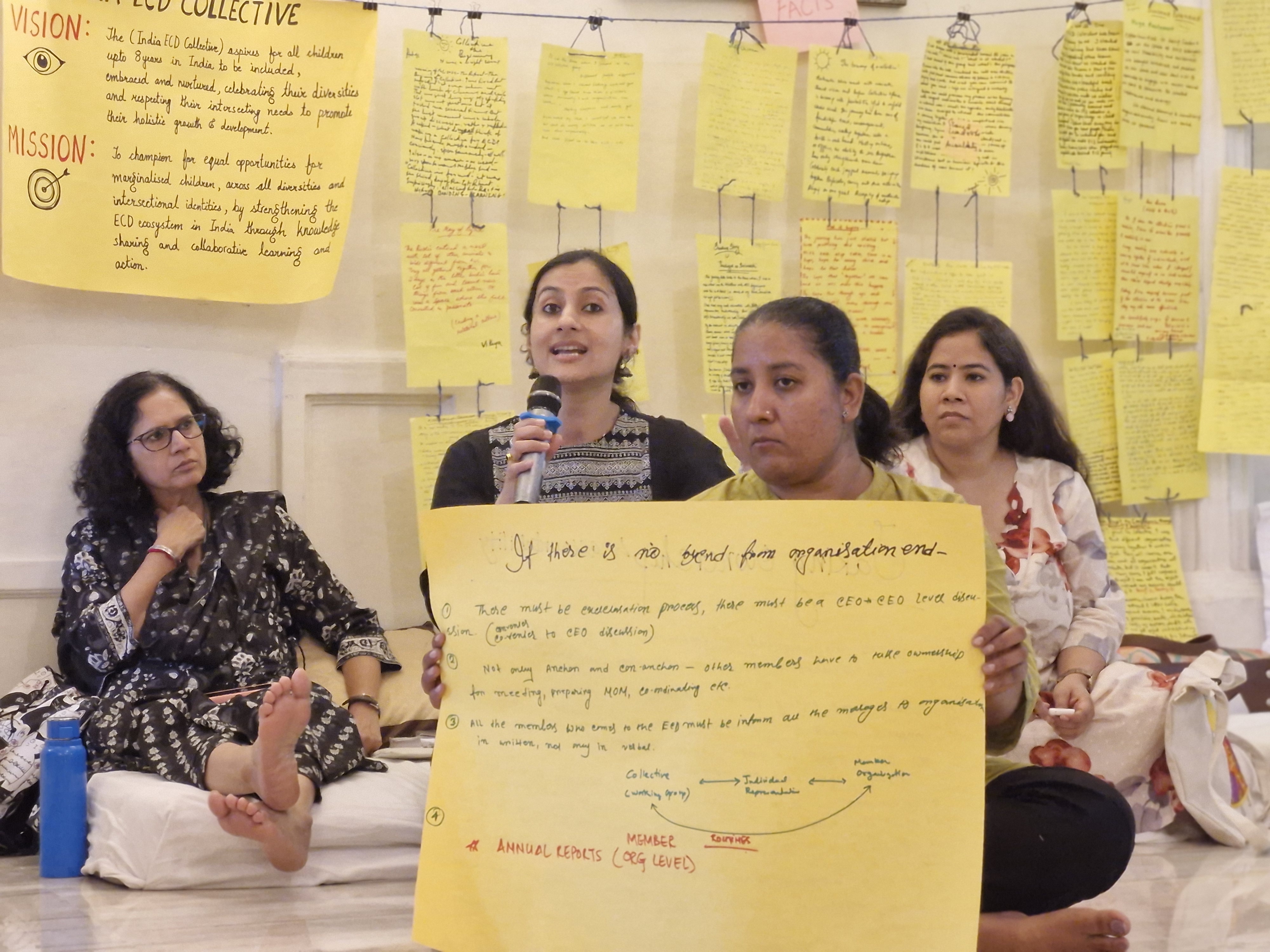
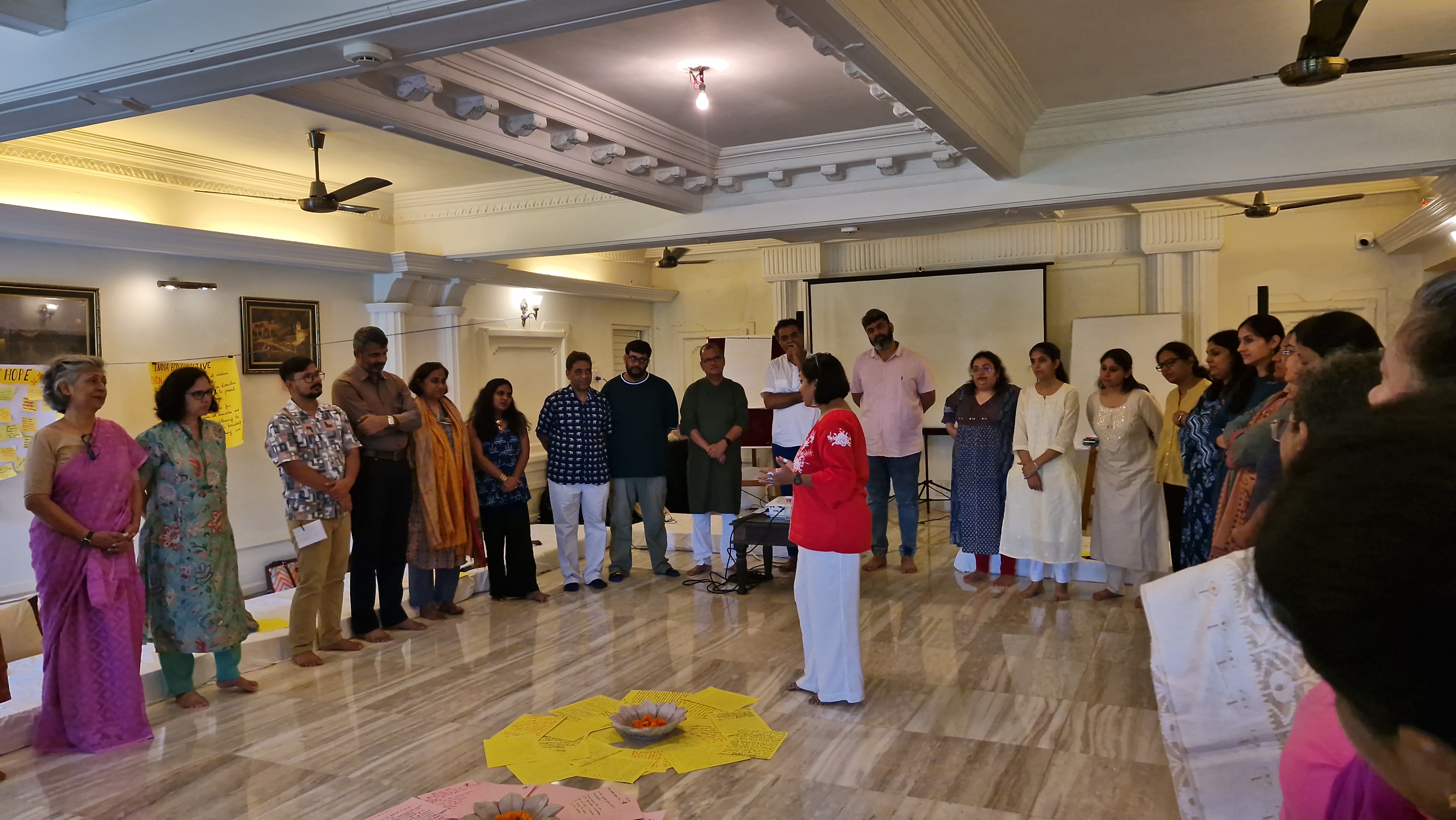
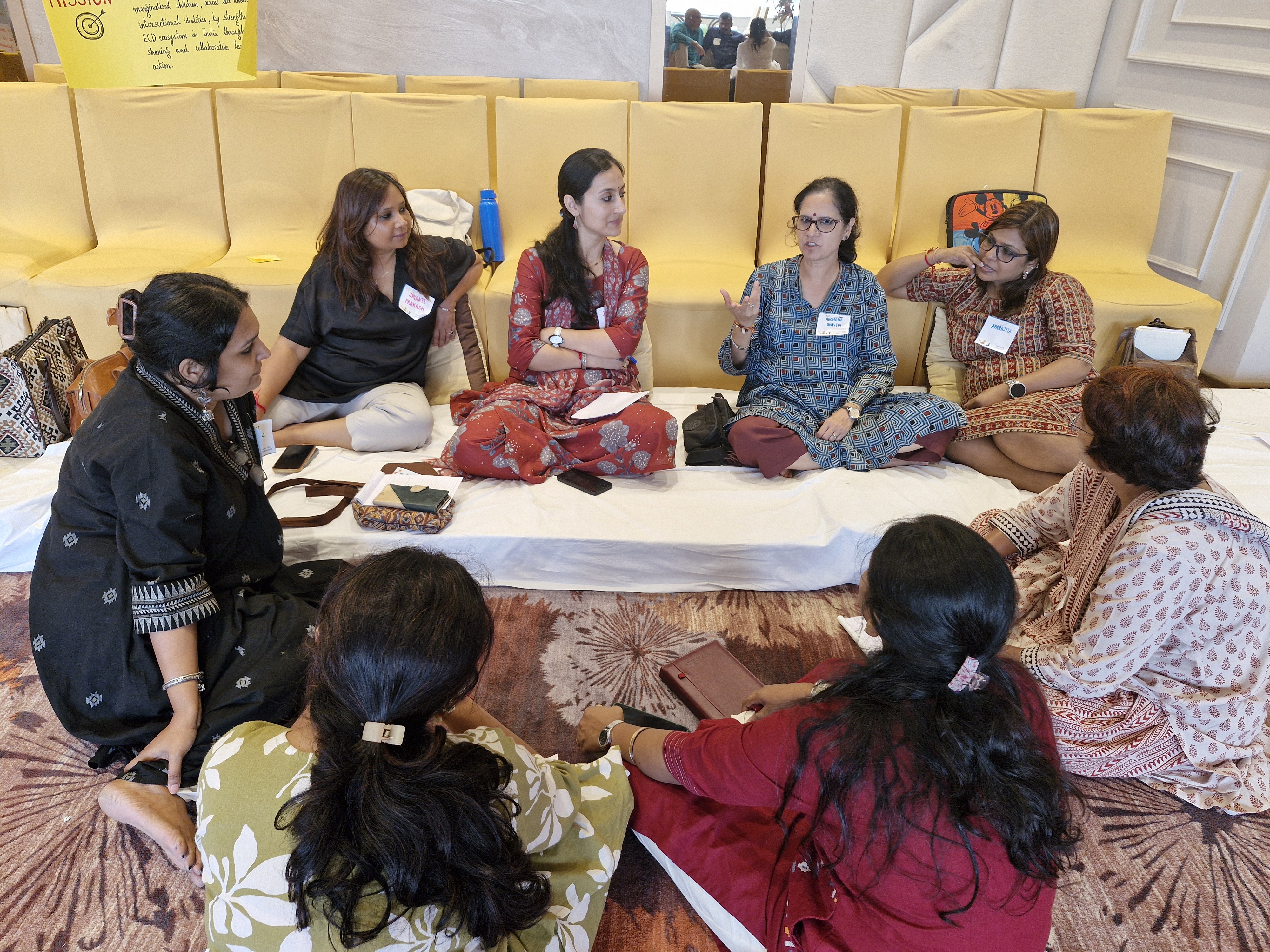
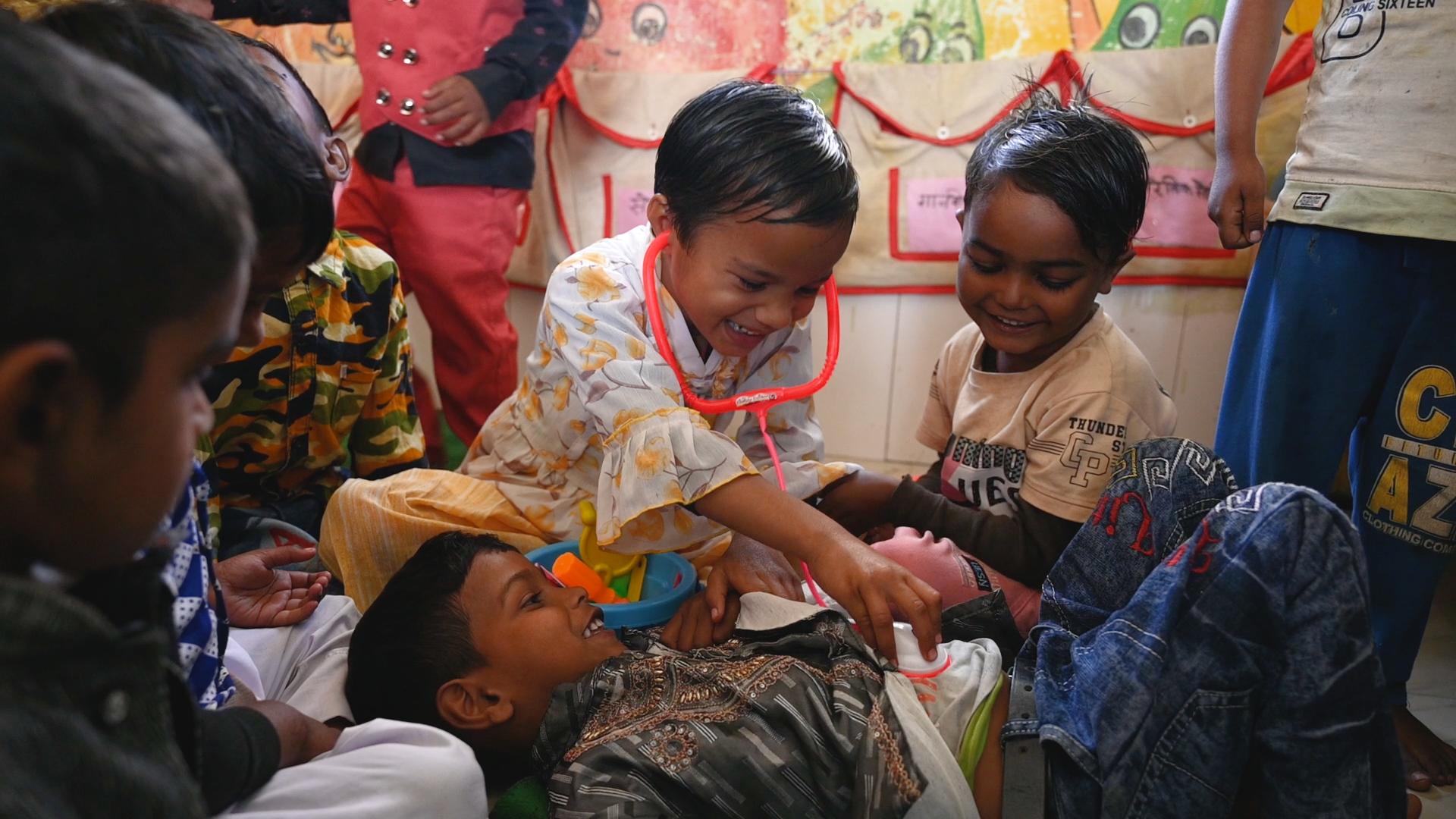
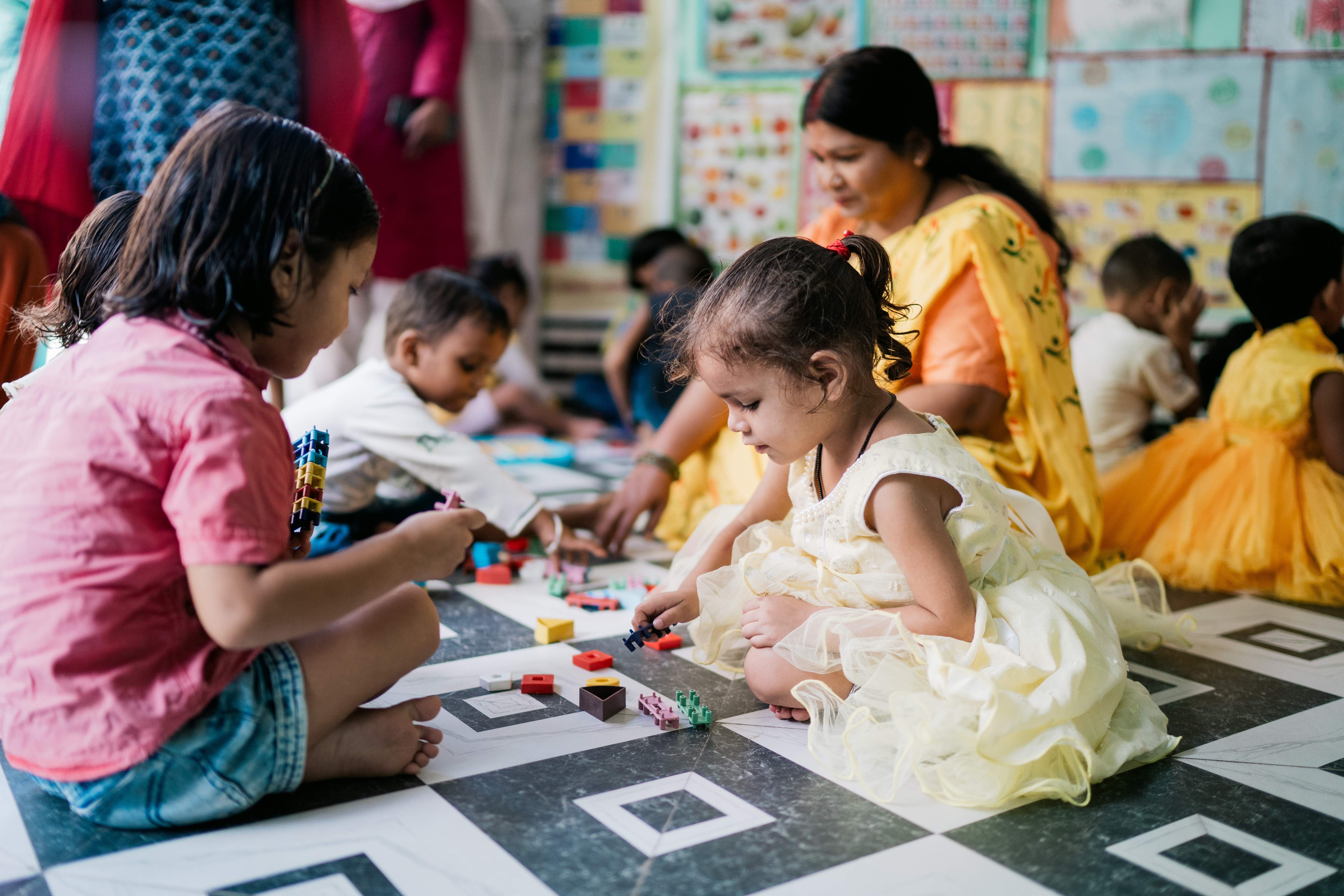
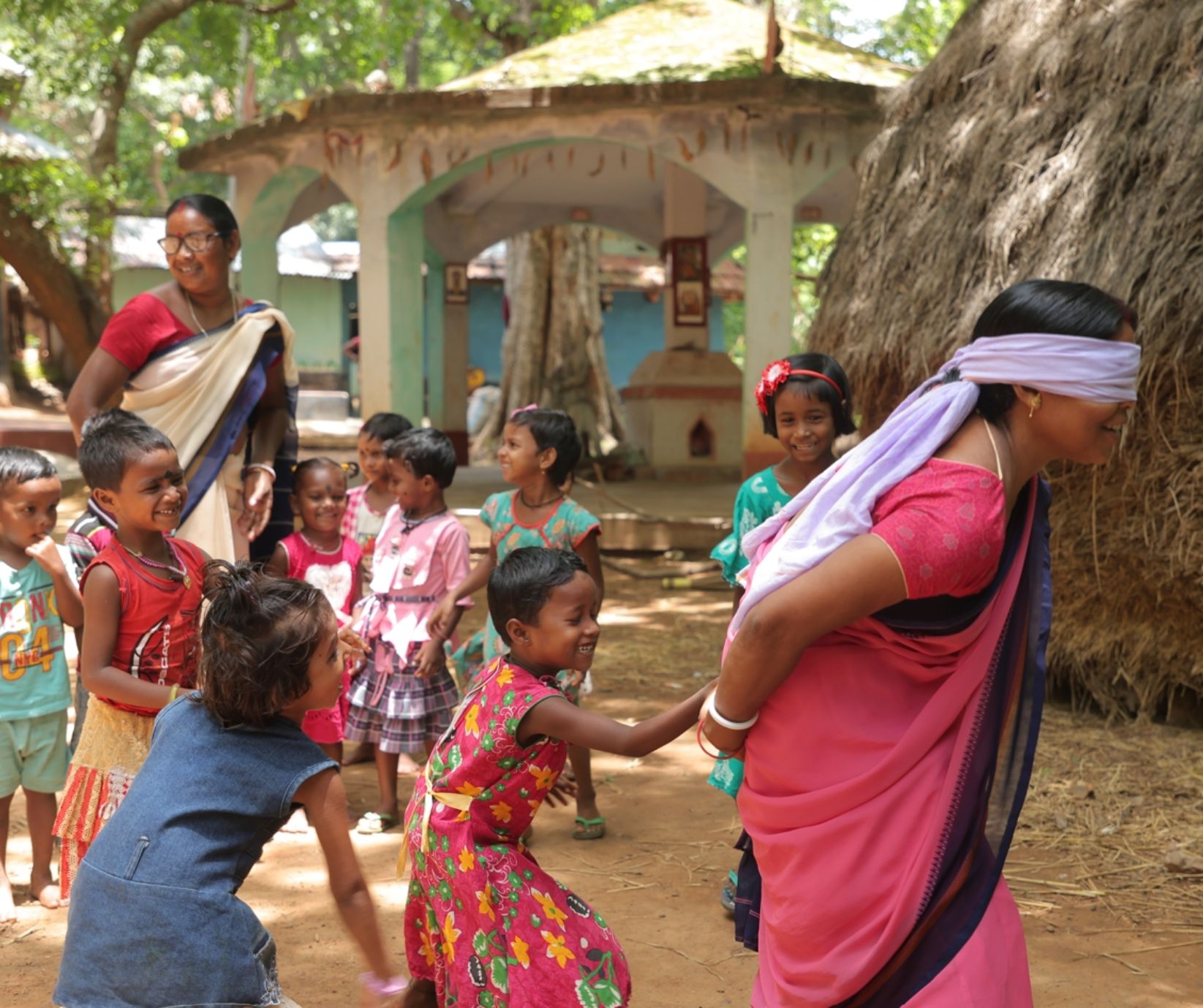
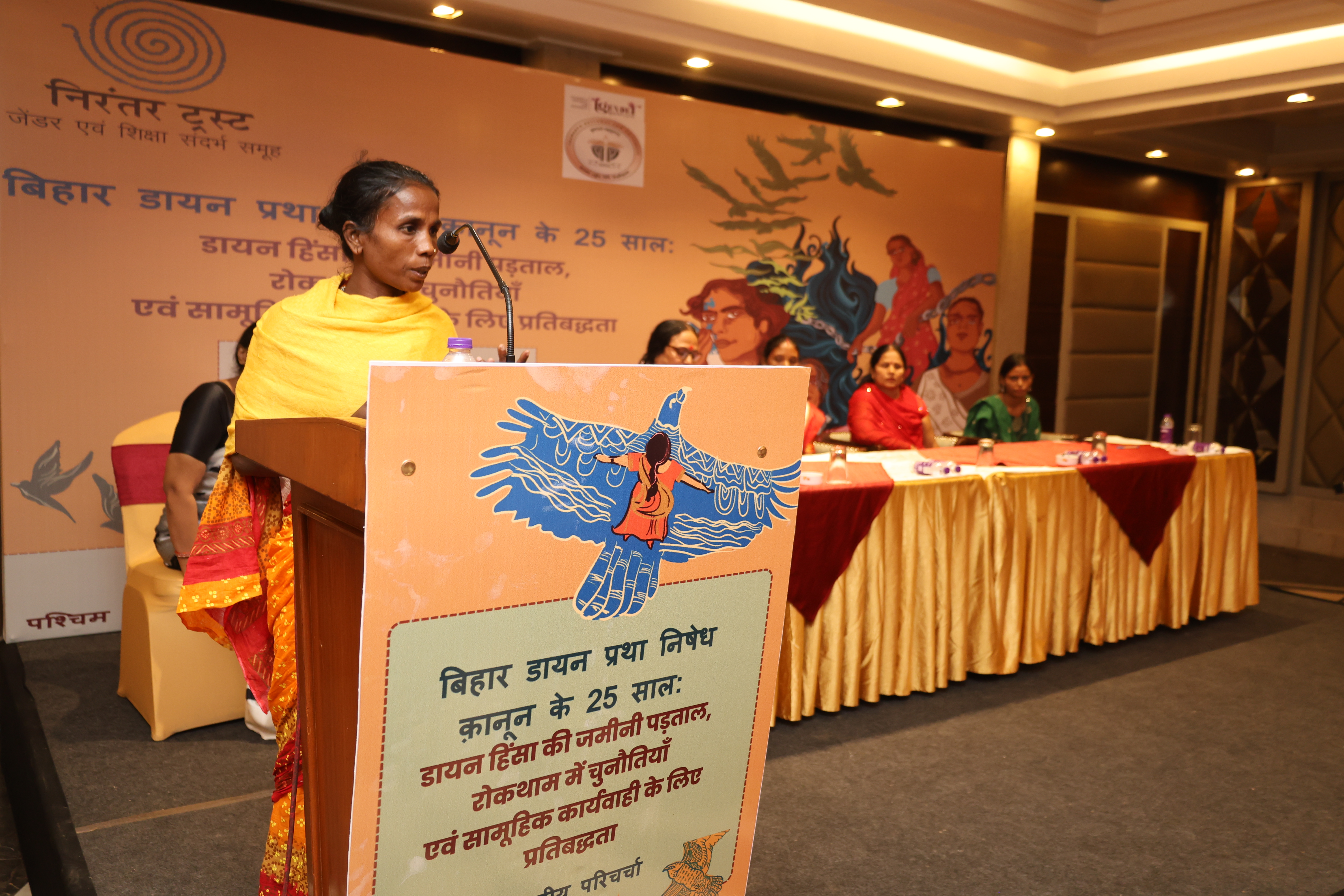
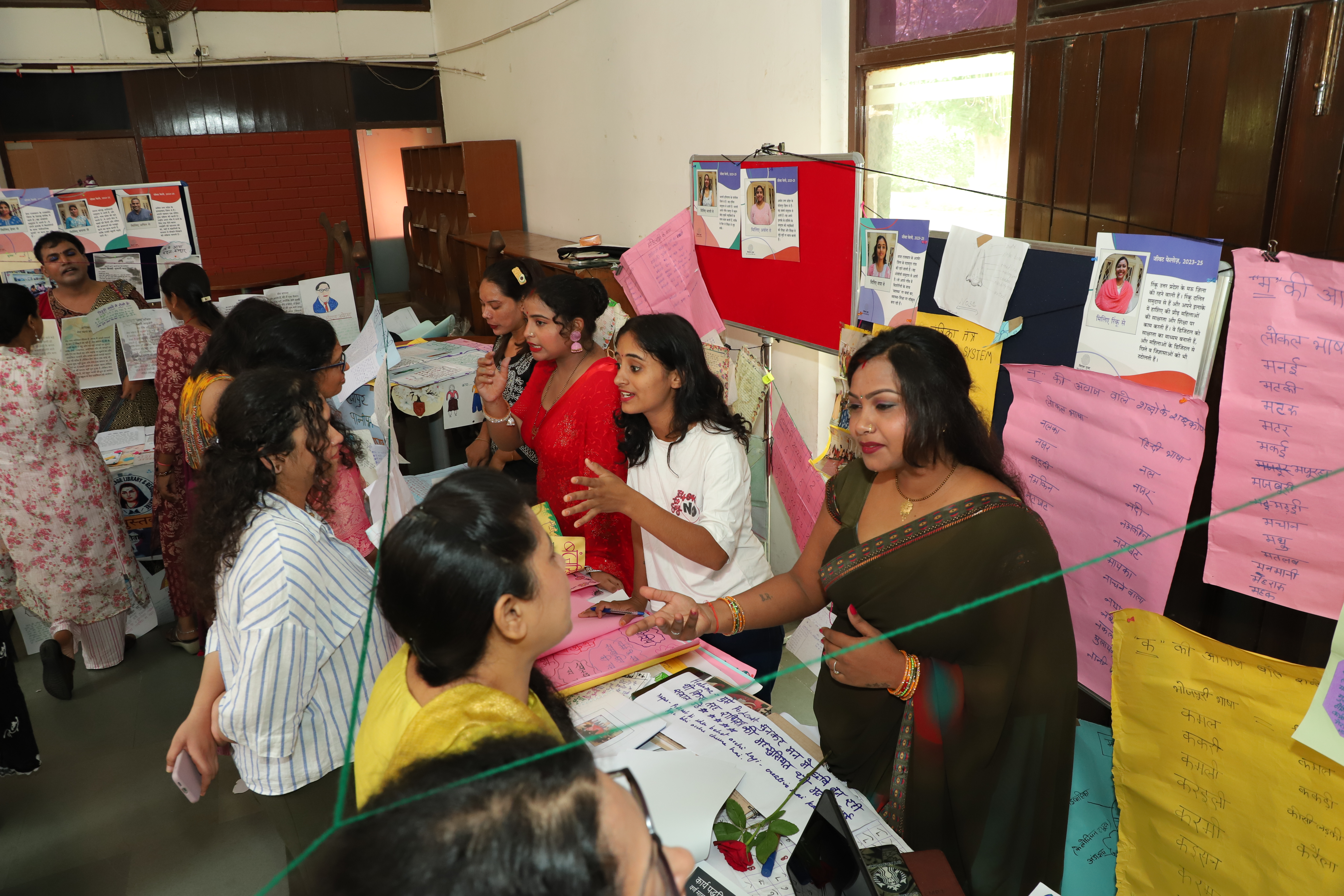
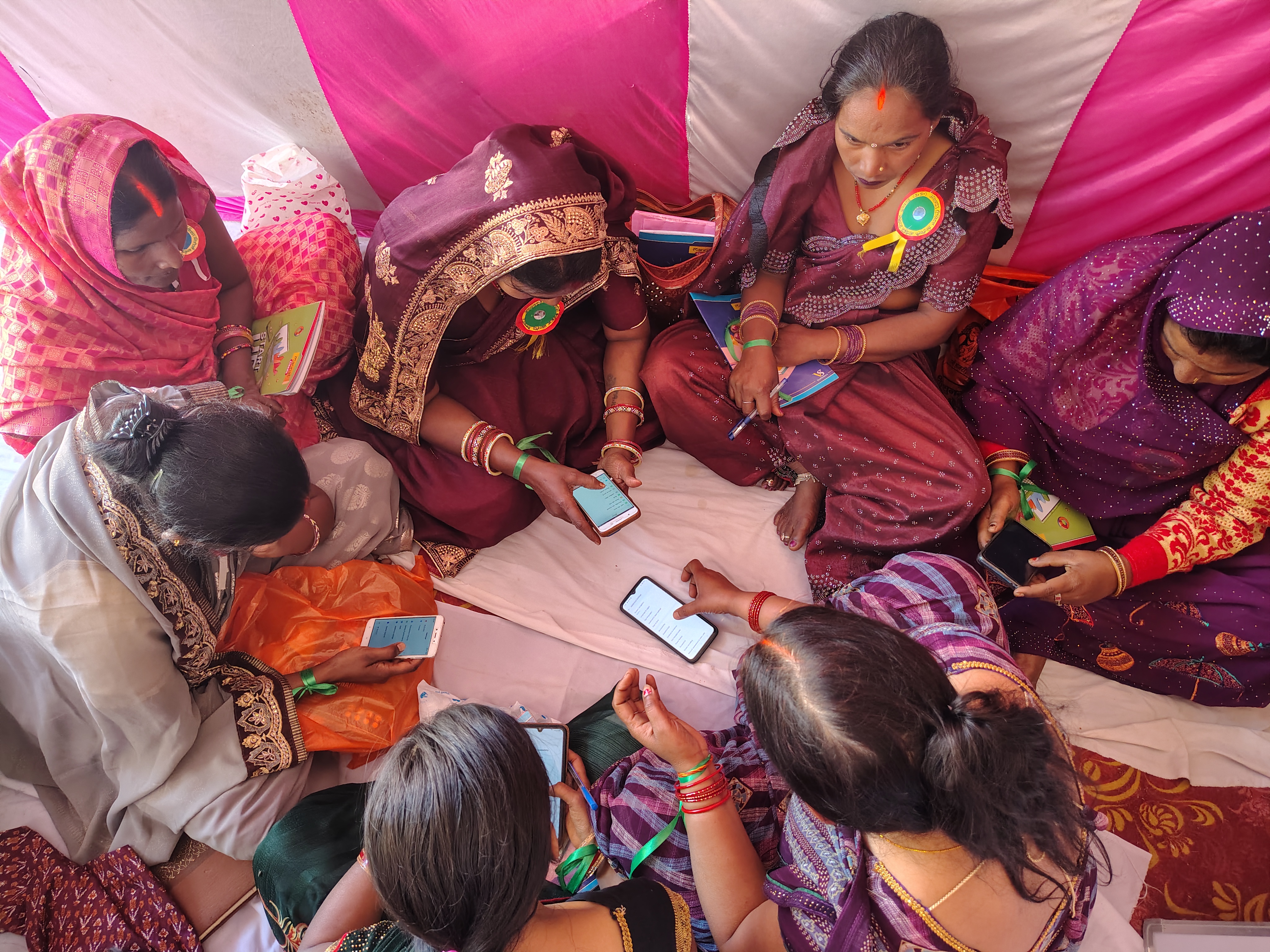
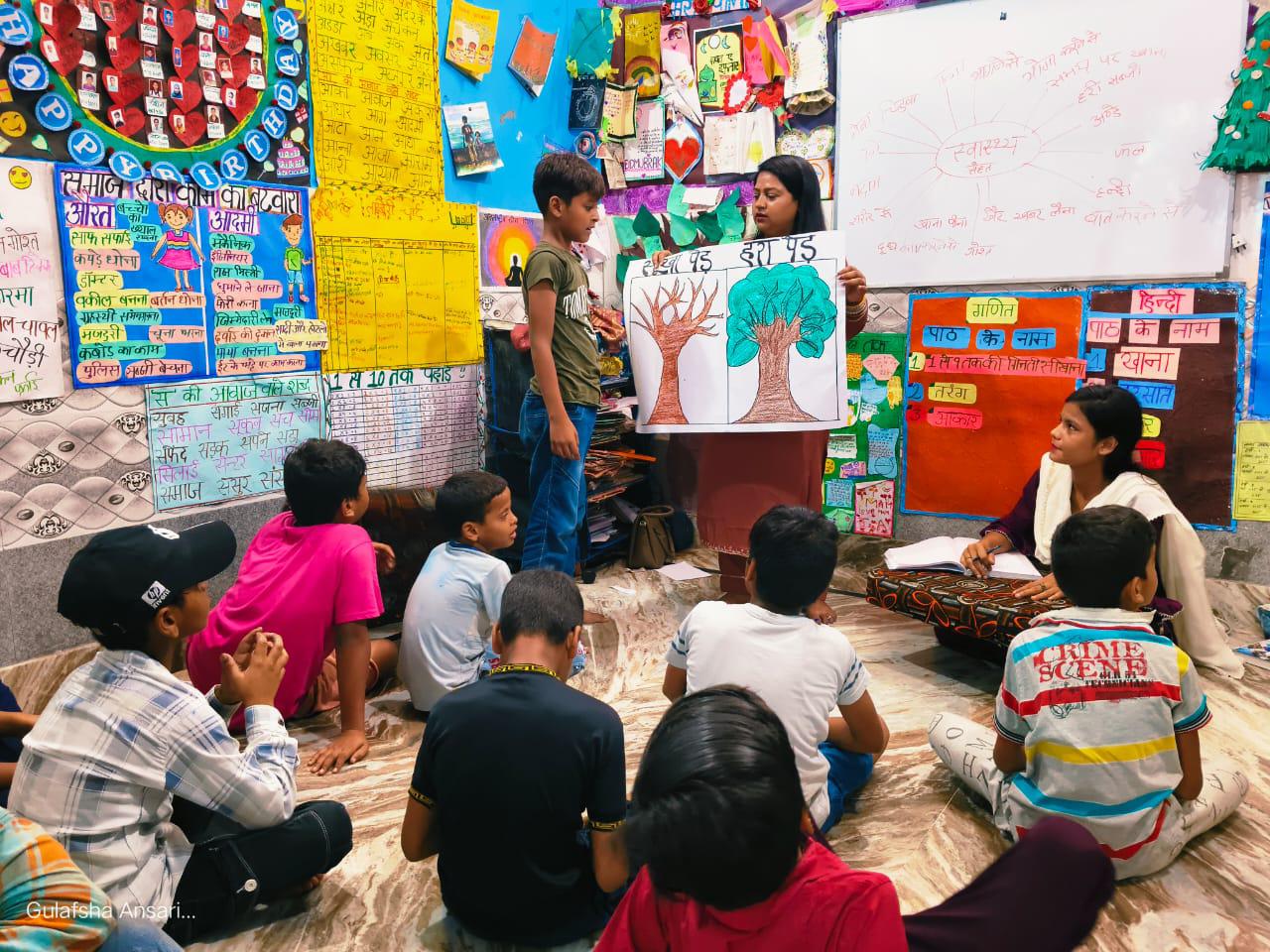
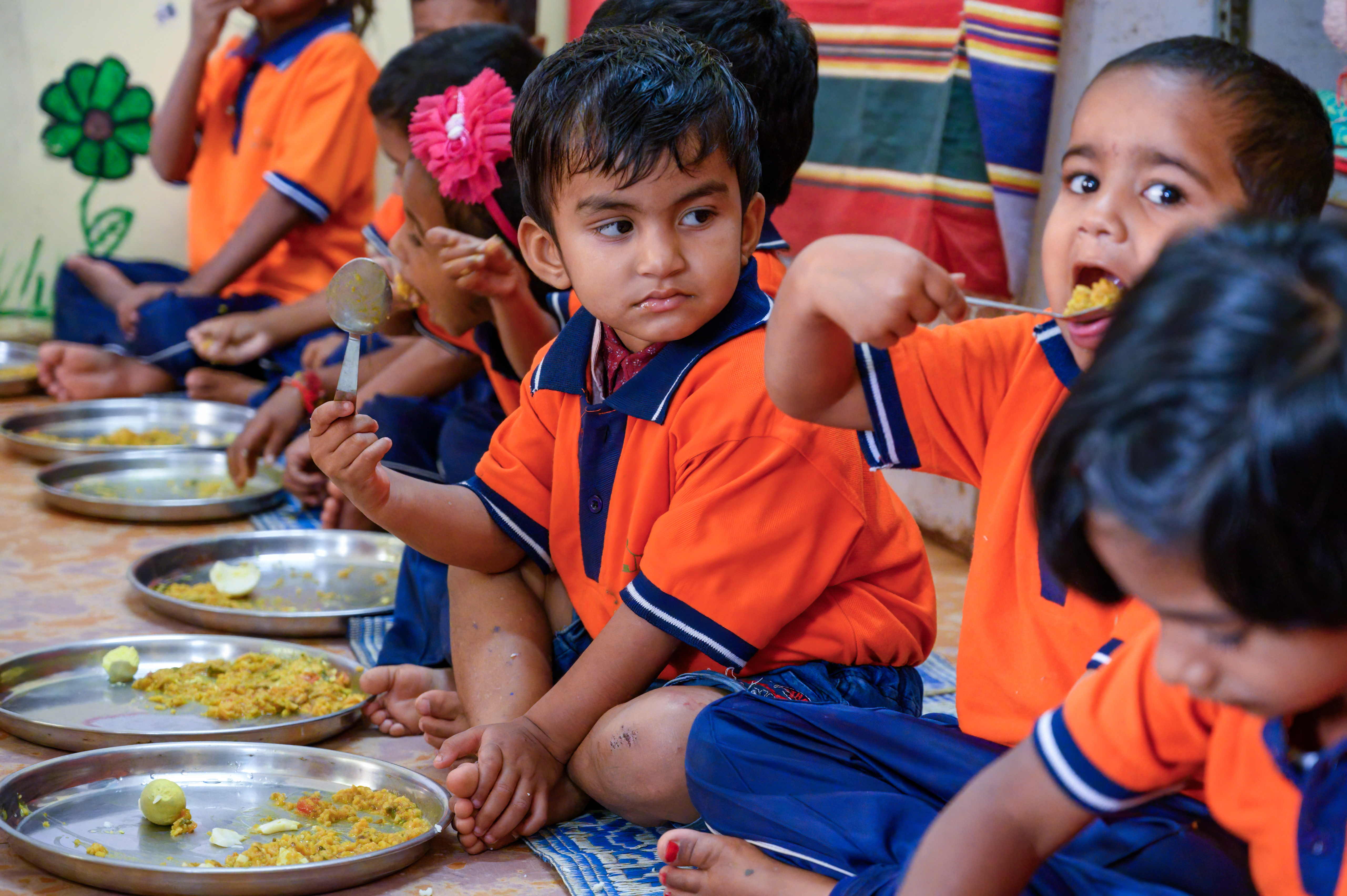
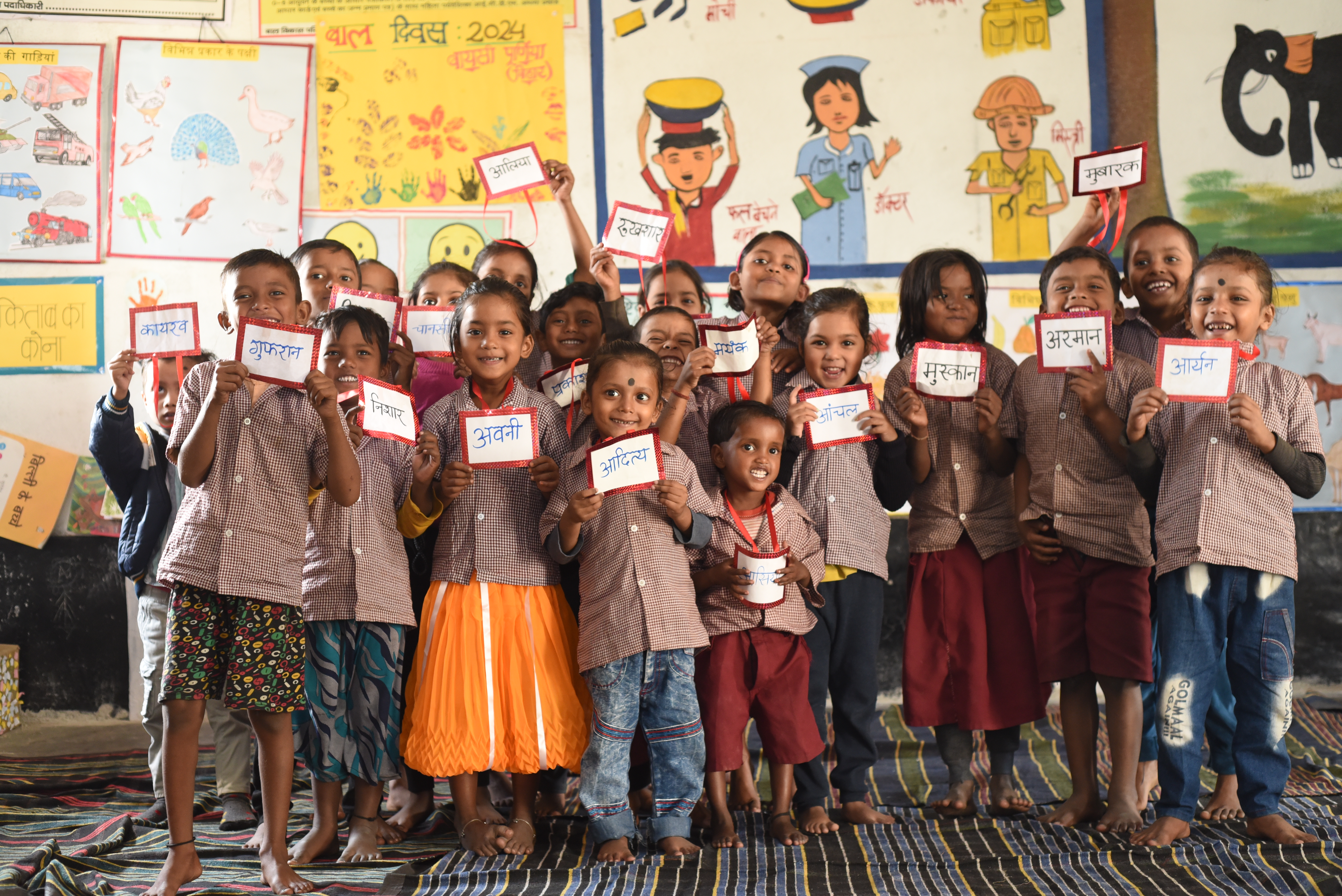
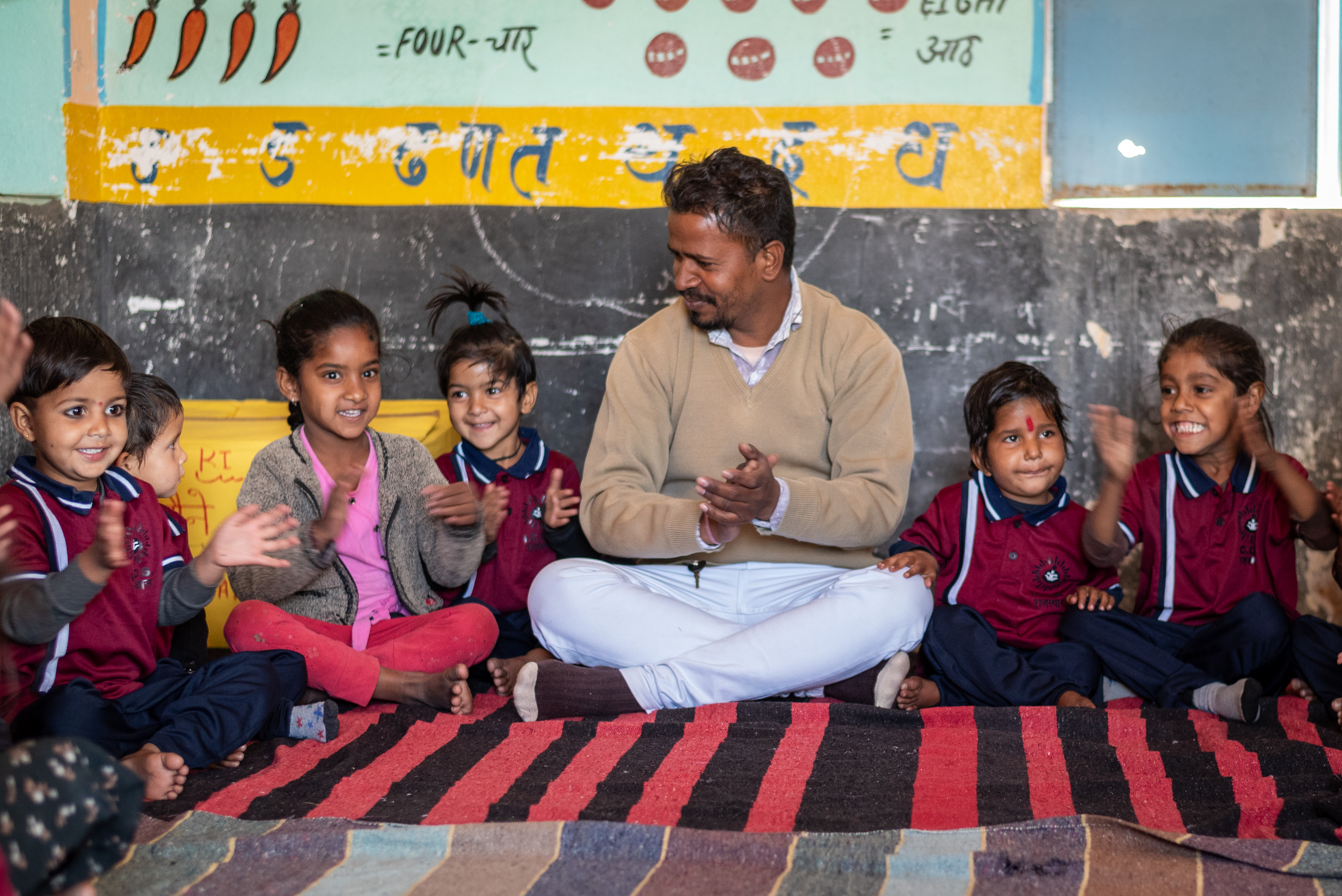
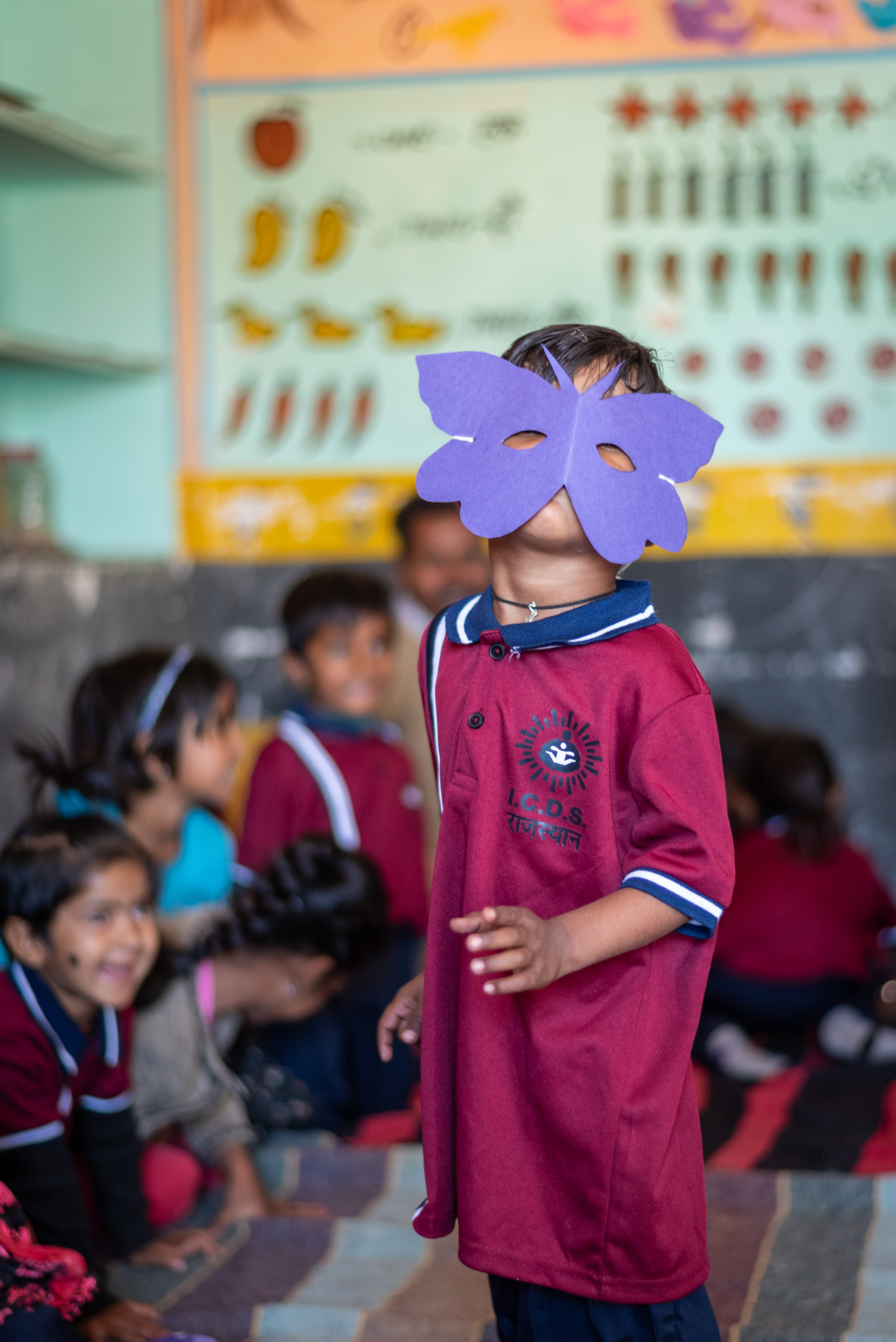
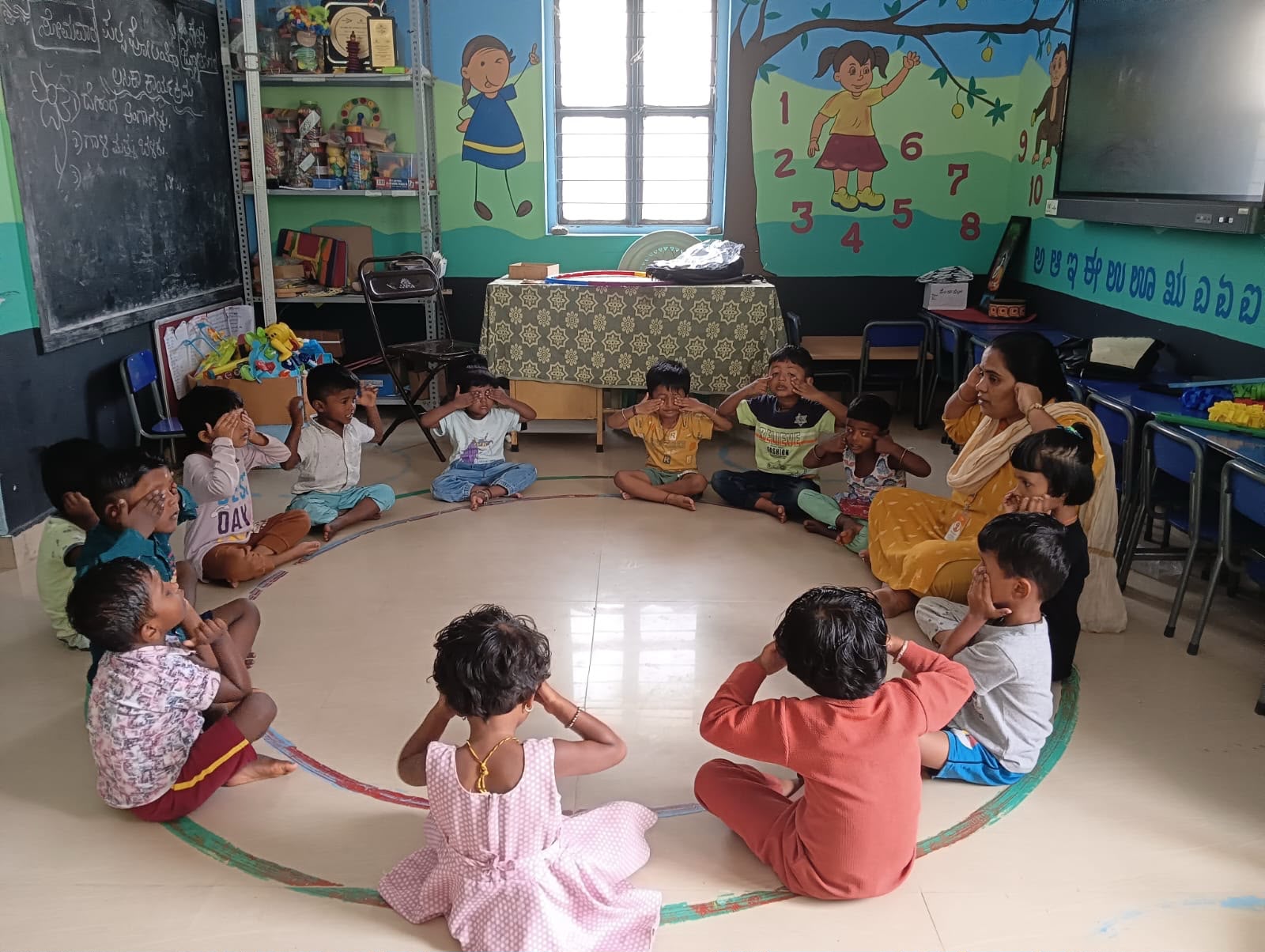
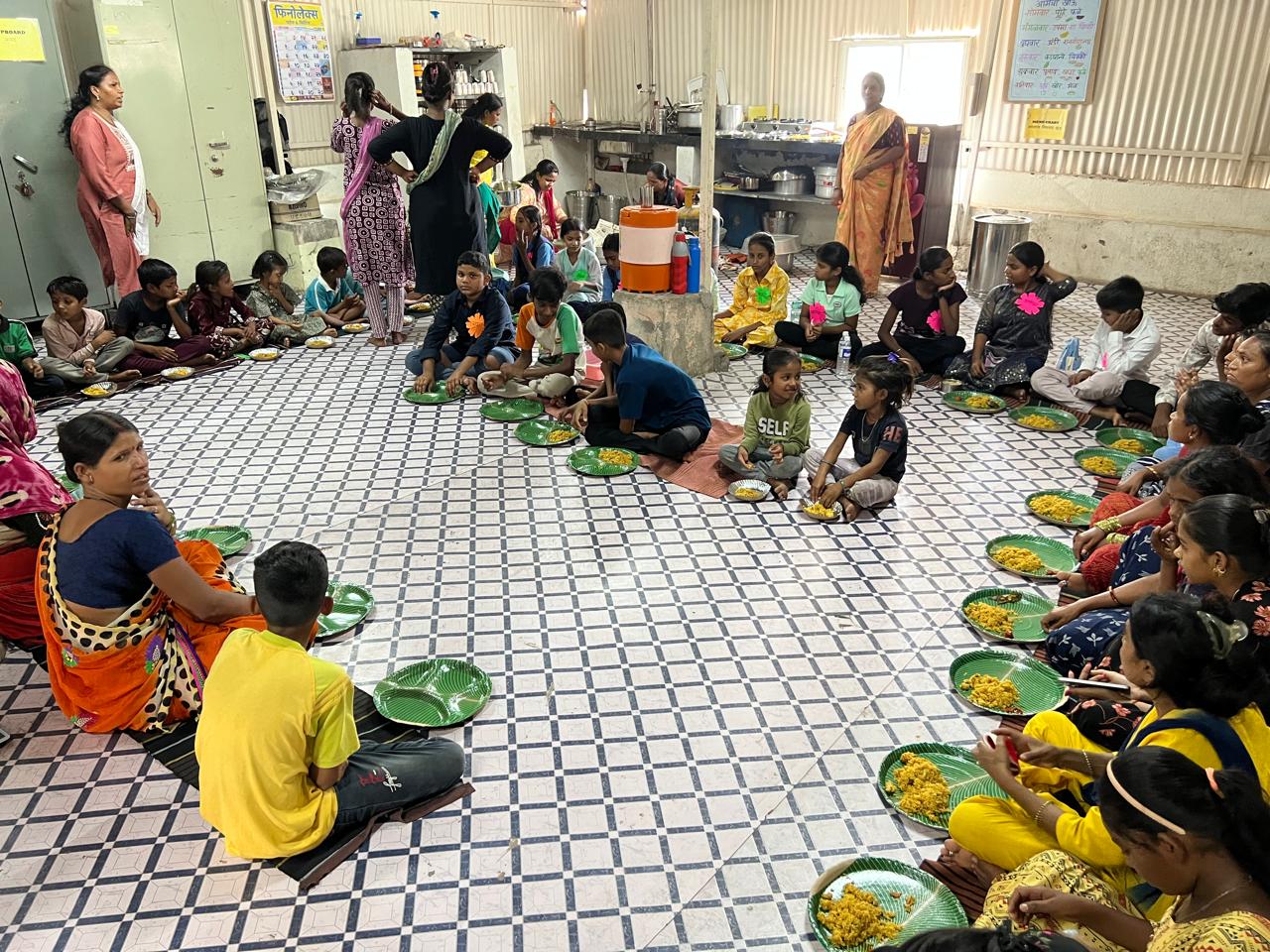
PANKH aspires for all children up to 8 years in India to be included, embraced, and nurtured, celebrating their diversities and respecting their intersecting needs to promote their holistic growth & development.
To champion for equal opportunities for marginalized children, across all diversities and intersectional identities, by strengthening the ECD ecosystem in India through knowledge sharing and collaborative learning and action.
January 2024 | Where It Began: Appreciative Enquiry
Eighteen organisations came together to look back, listen deeply, and ask what it would take to build an ECD network differently. The conversations were honest: about the need for collaboration, the limitations of staying connected only online, and the tendency to build structures before finding a shared purpose. Somewhere in those conversations, a new kind of collective began to take shape. One that would start with relationships, not rules.
February 2024 | Flowing Together: First Collective Retreat, TERI Centre, Gurgaon
For the first time, members gathered in one room as an emerging collective. They placed the child at the centre, mapped their collective superpowers, and began dreaming aloud about what might become possible together that none could do alone. Three working groups emerged from those conversations. The seed was planted.
May – November 2024 | Working in Action: Working Groups & Online Plenaries
The seed began to grow. Four working groups came together around intersectionality, child-friendly spaces, narrative building, and collectivisation, while regular plenaries kept the wider collective connected. Members began finding their rhythm of working together, turning shared questions into conversations, ideas and action.
November 2024 | When the Rivers Meet: Second Collective Retreat, TERI Centre, Gurgaon
The second retreat was a space to slow down and come closer. Through Kinship Circles and the “Recipes for Collective Being” exercise, members explored not just what they wanted to do together, but how they wanted to be together. And then came a moment of magic: 17 members voluntarily stepped forward to form the WIT (Whatever It Takes) group, taking collective ownership of the journey ahead.
January – June 2025 | From Chaos to Chorus: Proposal Development & JAMs
There was no neat path from an emerging idea to a shared plan. There were conversations, questions, disagreements, iterations and many, many conversations again. Across 12+ group meetings and 50+ bilateral conversations, members worked through their interests, roles and aspirations to co-create a proposal and budget for the next phase. Along the way, the foundations of the Shared Leadership Council began to take shape.
August 2025 | Growing Together: Third Collective Retreat, Hotel Hilltop Palace, Udaipur
With 22 organisations and 40+ participants, the Udaipur retreat marked a significant transition in the collective’s journey . The Shared Leadership Council was formally introduced, the Facilitariat joined the journey, and the baton began to pass from Vyaktitva’s facilitative role to a more self-governed collective. Together, members explored their ways of working, aligned on the road ahead, and began imagining what it would mean to carry the collective forward themselves.
January 2026 | A Name Takes Flight: Introducing PANKH
A collective that had grown through many conversations was ready for a name of its own. After months of ideas, conversations, iterations and collective decision-making, the India ECD Collective became PANKH — Partnership for Nurturing Kids Holistically.A new name, a new identity, but the same heart. A belief in partnership, a commitment to nurturing the whole child, and the hope that together, we can help childhood take flight.
May 2026 | Strengthening Our Wings: SLC Workshop, New Delhi
The Shared Leadership Council came together in person for the first time at YMCA, New Delhi. It was a chance to pause in the middle of the journey, look back at what had brought PANKH this far, and ask what it would take to grow from here. Together, the SLC reflected on the health and ways of working of the collective, celebrated what was enabling progress, and surfaced what needed more care, alignment and ownership.
June 2026 | Learning Together: Practitioners' Workshop, Mumbai
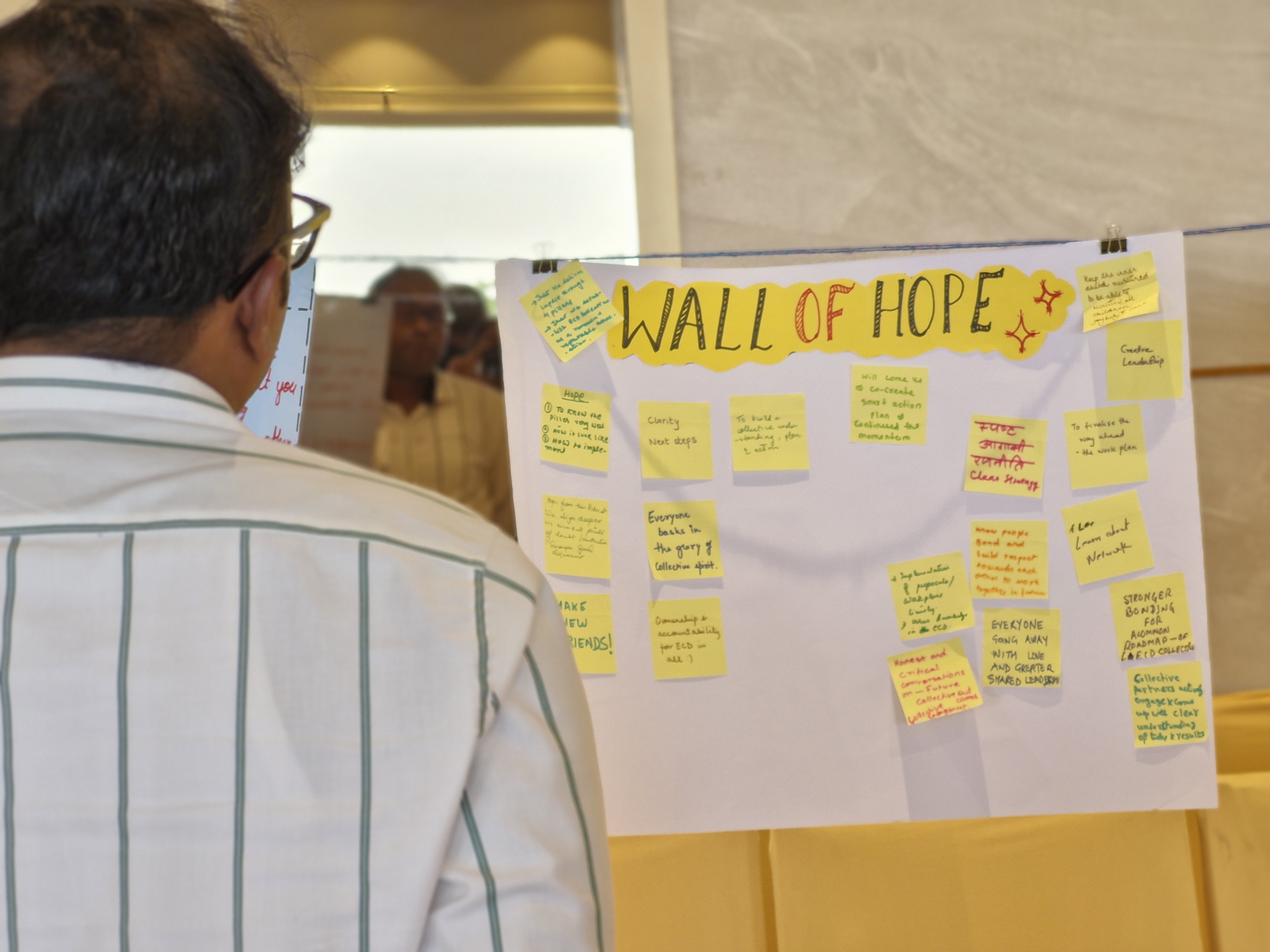
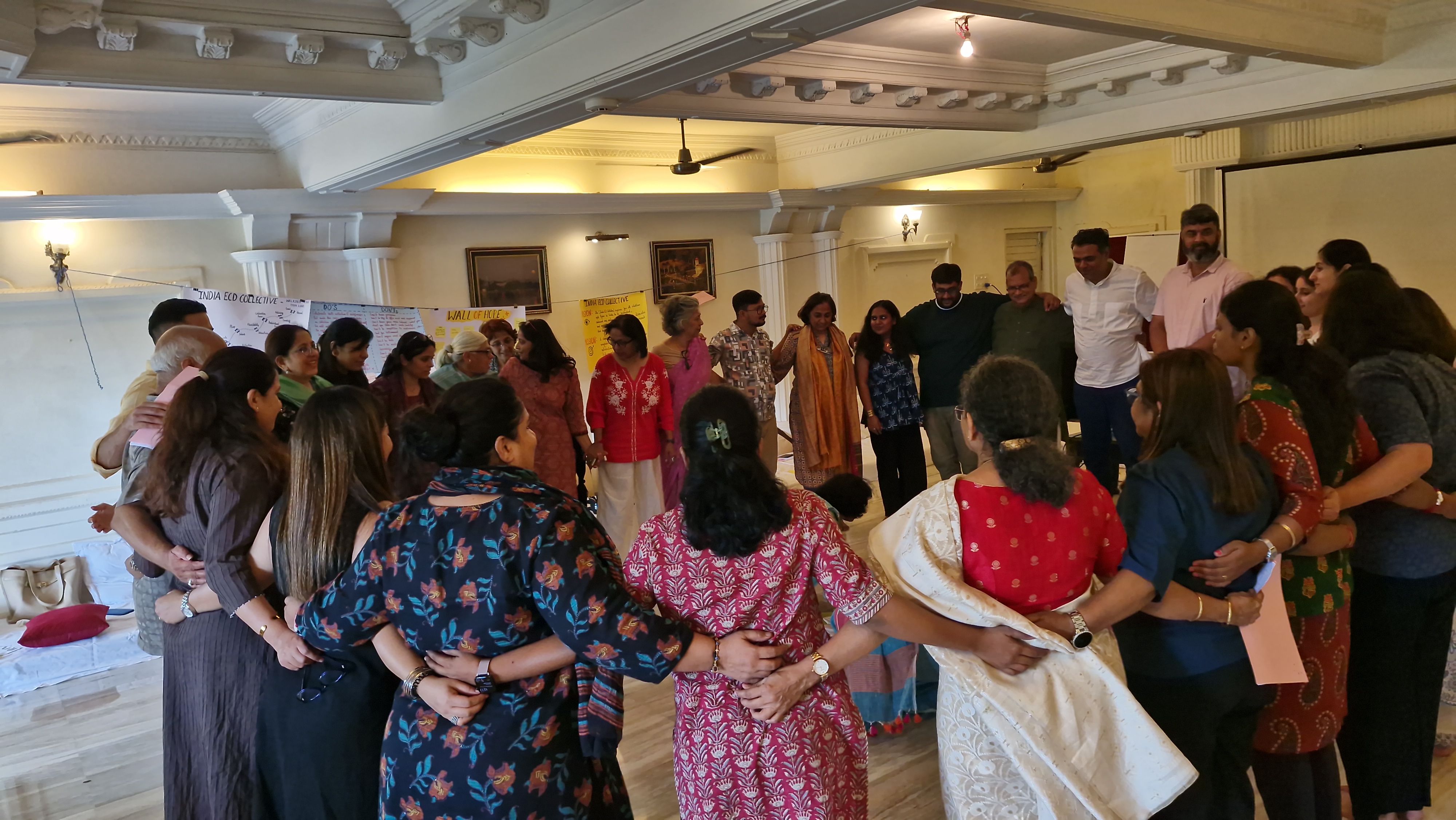
For three days, PANKH practitioners came together to learn, reflect, play, share stories and imagine together. The workshop became a space to deepen relationships and explore a simple but important question: How do we want to learn, act and grow together? From understanding who we are as a collective to imagining where we could go next, the conversations strengthened the foundations for shared learning, accountability and collective action.
August 2026 | Signals of Change: ECD Annual Collaborative Reflection
PANKH members came together to pause, reflect and celebrate the work taking shape across the collective. They shared stories from their work, celebrated small and big signals of change, and reflected on what becomes possible when individual efforts begin to meet collective action. There was space for honest conversations about what is working, what is challenging, and what we want to carry forward. A moment to look at how far we have come, and to listen closely to where the collective is calling us next.
The early years are a critical window where love, safety, and responsive care shape a child’s lifelong learning and wellbeing. Believing every child deserves an equitable start, PANKH India serves as a mission-driven collective dedicated to strengthening early childhood development and education.
Bringing together diverse stakeholders to strengthen collaboration, shared ownership, and collective action for young children.
Supporting policies, practices, and investments that advance the well-being of children under eight, their caregivers, and frontline workers.
Enabling collaboration, peer learning, and collective action across the ECD ecosystem.
Solving collectively what we cannot achieve alone
PANKH India brings together the reflections, ambitions, and priorities of diverse organizations dedicated to Early Childhood Development. Moving beyond linear plans and single-factor approaches, the Seeing, Doing & Being framework focuses on the power of collective sight, collaborative action, and relational transformation to ensure no child up to 8 years old is left behind.
What do we visualize as a thriving childhood?
SEEING is Co-Envisioning
By bringing member organizations together, we co-envision shared goals, build a unifying charter, and collectively measure and evolve our impact over time.
How are we executing together?
DOING is Collective Action
By uniting member organizations, we co-create impact through collaborative programming, amplify our message with unified narrative building, and secure sustainable growth through shared fundraising.
What will success feel like?
BEING is Relationships & Impact
By bringing member organizations together, we co-envision shared goals, build a unifying charter, and collectively measure and evolve our impact over time.
- Internal culture: A thriving ecosystem of active member organizations built on deep personal connections, collective leadership, and shared knowledge.
External impact: A resilient, reshaped landscape where community well-being is elevated and a higher quality of life becomes the baseline for every child.
Four Pillars “What we do”
At PANKH India, our true strength is our togetherness. Every member organization lends its voice and efforts to one or more of these four interconnected pillars (focus areas of work), each addressing critical gaps in the ECD ecosystem. The four pillars weren’t designed in a boardroom; they emerged from the ground up, shaped by what member organizations were seeing in their work with children every day.
Children do not experience disadvantage in isolation; factors like poverty, gender, caste, and disability overlap. Most ECD programs miss this complexity. This pillar uses action research to understand these intersections. We create practical frameworks and guidelines that help practitioners seamlessly integrate intersectionality and Social-Emotional Learning into their curricula and teaching.
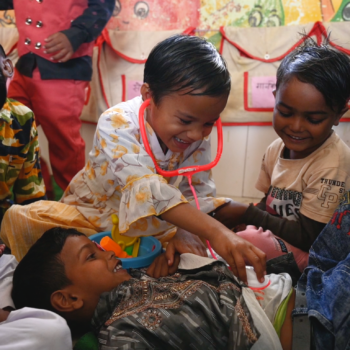
Most environments—from villages to public spaces—rarely center around the child. While policy guidelines exist, children’s voices are missing. PANKH India is redefining child-friendly spaces, from Anganwadis to parks. We create comprehensive guidelines for safe, inclusive environments, blending physical safety with psychological security so all children feel supported and thrive.
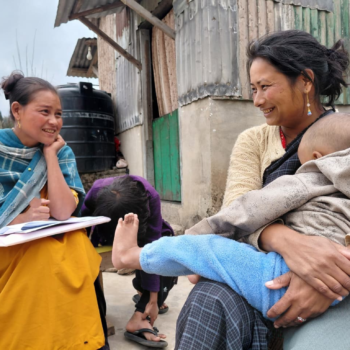
Early childhood remains largely invisible in public discourse, and no single organization can change that alone. This pillar builds and amplifies compelling narratives that position early childhood development as a collective responsibility. Through podcasts, campaigns, and storytelling, we shift public consciousness while documenting field learnings to create a vibrant knowledge base that nurtures the entire ecosystem.
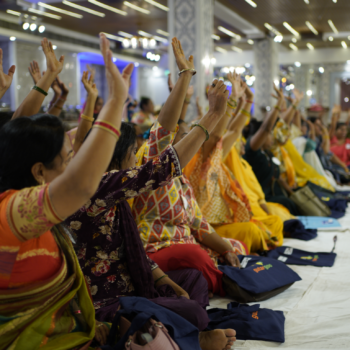
Collaboration is a skill that must be nurtured. This pillar keeps PANKH a living, learning community through co-learning voyages, organizational cross-visits, and regional convenings. By creating dedicated spaces for sustained dialogue and knowledge sharing, we foster the deep relationships and mutual support that make collaborative breakthroughs possible.
India as a learning collaborative for intersectional, systems-led, and practice-driven ECD knowledge- by and for the world.